
Signal Over Noise
  • Docs
  • Essays
  • Gear
  • Design
  • Apps
  • Explore
  • Categories
  • Series
Linux nohup Fully Explained — How to Keep Processes Running After Terminal Exit
2026.03.28 · 21 min read 🎯Docs Linux Shell DevOps 📚 Complete Guide to Linux Shell Execution

Linux nohup Fully Explained — How to Keep Processes Running After Terminal Exit

nohup keeps a process running after the terminal closes by ignoring SIGHUP. This post explains what nohup really changes, why it is usually paired with `&`, how logging works, and where its limits begin in real operations.
Linux stdin Redirection Explained — Understanding < and Input from Files
2026.03.28 · 16 min read 🎯Docs 📚 Linux I/O and Data Flow — From Streams to Pipelines Linux Shell

Linux stdin Redirection Explained — Understanding < and Input from Files

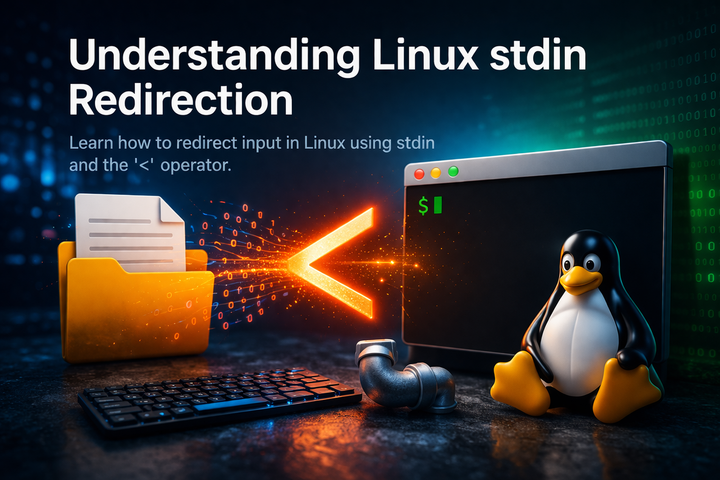
< is not a file-reading syntax. In Linux, input redirection changes the source of a program’s standard input (stdin) to a file. This article explains how < works, how it differs from pipes and file arguments, and why it matters in real-world usage.
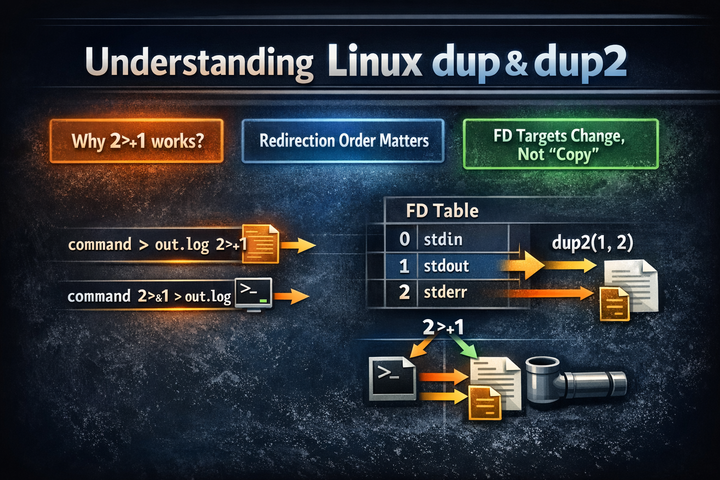
Understanding dup and dup2 — The Real Reason 2>&1 and Redirection Order Behave Differently
2026.03.28 · 18 min read 🎯Docs 📚 Linux I/O and Data Flow — From Streams to Pipelines Linux Shell

Understanding dup and dup2 — The Real Reason 2>&1 and Redirection Order Behave Differently

2>&1 is not about merging outputs—it is about reassigning file descriptors. This article explains, at the FD level, why redirection order matters, why > file 2>&1 and 2>&1 > file produce different results, and what dup/dup2 actually change inside a process.
Linux Everything is a file Meaning — What “Everything is a file” Really Means with Examples
2026.03.27 · 7 min read 🎯Docs 📚 Linux I/O and Data Flow — From Streams to Pipelines Linux Shell Operating Systems

Linux Everything is a file Meaning — What “Everything is a file” Really Means with Examples

“Everything is a file” is not a metaphor but a core design principle in Linux. This post explains how files, devices, processes, and streams are unified under a single interface, with practical examples that reveal how redirection and pipes actually work.
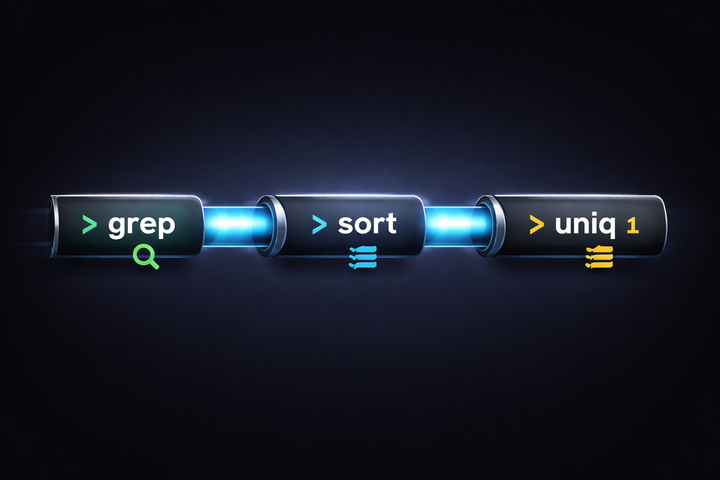
Why grep, sort, and uniq Are Piped Together — The Core Pattern for Log Analysis
2026.03.27 · 6 min read 🎯Docs 📚 Linux I/O and Data Flow — From Streams to Pipelines Linux Shell DevOps

Why grep, sort, and uniq Are Piped Together — The Core Pattern for Log Analysis

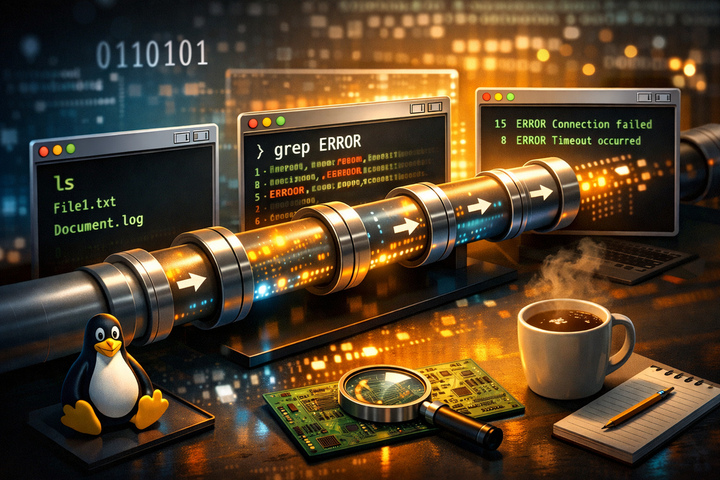
grep | sort | uniq is not just a command chain but a data processing pattern. It filters, groups, and aggregates text efficiently. This post explains why sort is essential before uniq and how the pipeline works in real scenarios.
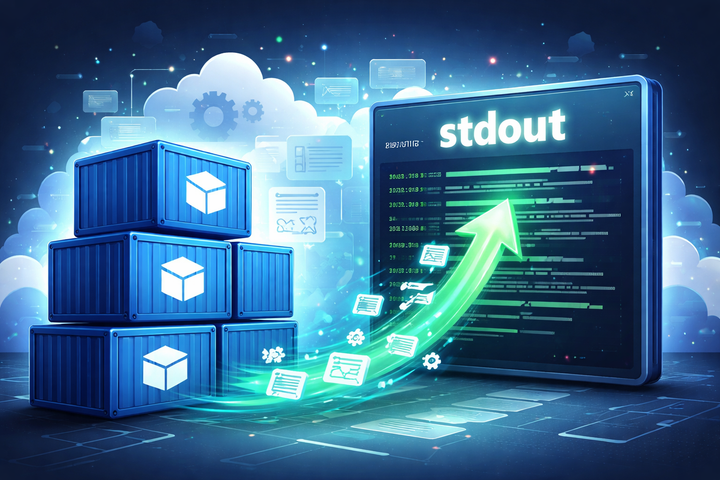
Why Container Logs Should Go to stdout — Why Standard Output Replaces File Logging in Docker and Kubernetes
2026.03.27 · 6 min read 🎯Docs Docker Kubernetes Logging 📚 Linux I/O and Data Flow — From Streams to Pipelines

Why Container Logs Should Go to stdout — Why Standard Output Replaces File Logging in Docker and Kubernetes

Why do container environments rely on stdout instead of log files? This article explains the structural reasons behind stdout-based logging in Docker and Kubernetes, with examples, practical scenarios, and common mistakes.
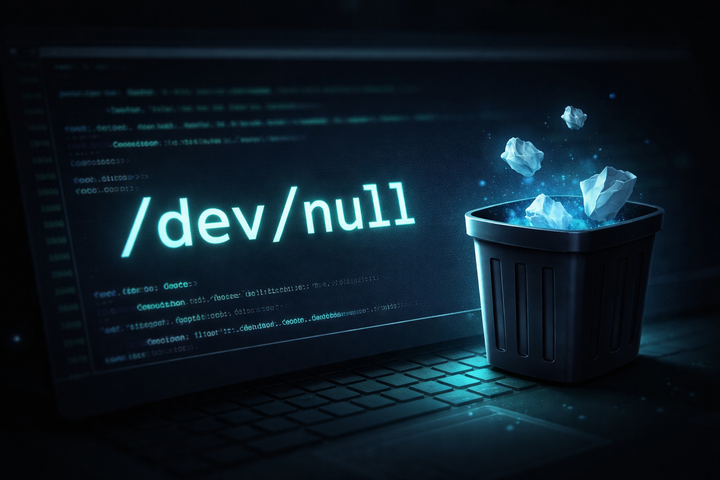
What Is /dev/null — Complete Guide to Discarding Output, Hiding Errors, and Linux Redirection
2026.03.27 · 5 min read 🎯Docs Linux Shell devnull 📚 Linux I/O and Data Flow — From Streams to Pipelines

What Is /dev/null — Complete Guide to Discarding Output, Hiding Errors, and Linux Redirection

/dev/null is a special device in Linux that discards all data written to it. This guide explains how it works with stdout, stderr, and stdin redirection, why it is needed, and what mistakes to avoid, with practical examples.
What Is a Pipe (|)? A Clear Guide to the Linux Pipe Concept
2026.03.27 · 10 min read 🎯Docs Linux Shell DevOps 📚 Linux I/O and Data Flow — From Streams to Pipelines

What Is a Pipe (|)? A Clear Guide to the Linux Pipe Concept

Linux pipes (|) are not just simple syntax. They are a core concept for connecting commands and building a flow of data. Through a range of practical examples, you can clearly understand how pipes work and how to use them effectively.
stdout vs stderr — Understanding Linux Output Streams Properly
2026.03.26 · 4 min read 🎯Docs Linux Shell stdout-stderr 📚 Linux I/O and Data Flow — From Streams to Pipelines

stdout vs stderr — Understanding Linux Output Streams Properly

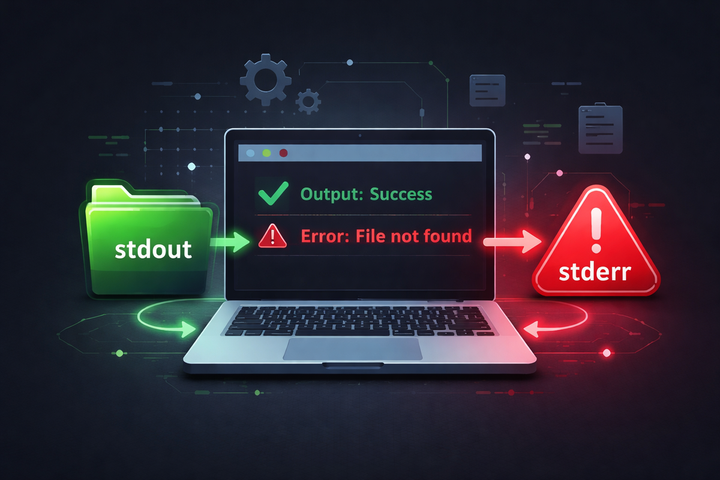
Understand the difference between stdout and stderr through simple examples, and grasp Linux output flow in one pass—from redirection (>, 2>, 2>&1) to /dev/null and pipes. Covers essential concepts for log separation and debugging.
Why Platforms Suspect Innocent Users First — Threads’ Broken Trust System
2026.03.26 · 13 min read ⚙ Essays 📃 Short Piece AI Algorithm Platform

Why Platforms Suspect Innocent Users First — Threads’ Broken Trust System

The user behaves normally, yet the system flags them as a risk. This piece analyzes how user behavior is quantified and evaluated, leading to opaque, black-box decisions without clear explanations.
RSS X (Twitter)
  • privacy
  • about
  • contact
© 2026 Signal Over Noise
Built with Ghost · Theme customized by Ceak