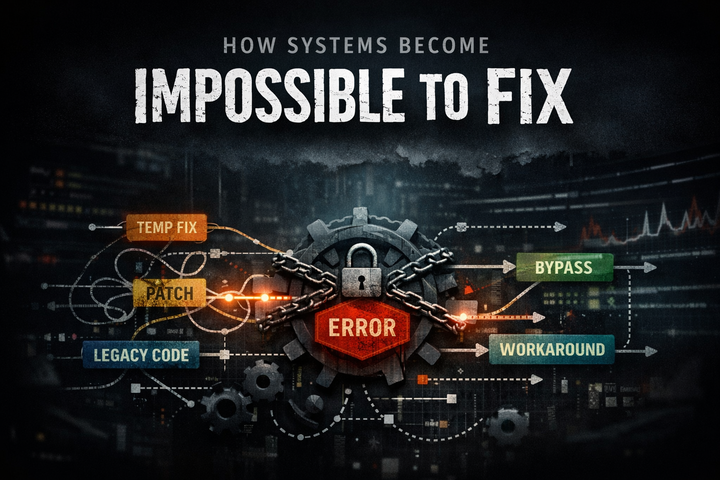
Systems don’t collapse all at once.
Validation stops, criteria drift, interpretation disappears—
until fixing becomes nothing more than moving the problem.
We don’t just write features—we write code to survive environments we don’t fully trust. From polyfill to ponyfill and beyond, this piece explores how JavaScript evolved into a system shaped by uncertainty, and why much of our code exists not for functionality, but for defense against the unknown.
npm install is not just installation. It is code execution. The Axios supply chain attack reveals how modern development relies on blindly executing external code.
AI has clearly increased developer productivity—but where is all the new software? The answer is not a lack of output, but a shift in where software exists. Most of it is now created, used, and discarded outside public ecosystems.
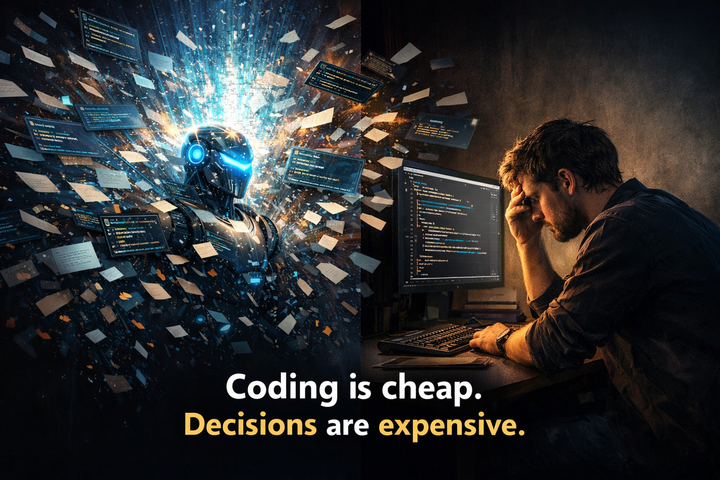
AI doesn’t reduce a developer’s workload—it shifts it. As code generation becomes easier, the real challenge moves to judgment, validation, and decision-making. This article reframes developer productivity not as a matter of time, but as a structural shift in how work is done.
Sora was not a failed product. And yet, it disappeared. This article examines the reason not from a technical perspective, but through the lens of operational viability. It explores how the criteria that determine the survival of products are shifting in the age of AI.
The user behaves normally, yet the system flags them as a risk. This piece analyzes how user behavior is quantified and evaluated, leading to opaque, black-box decisions without clear explanations.
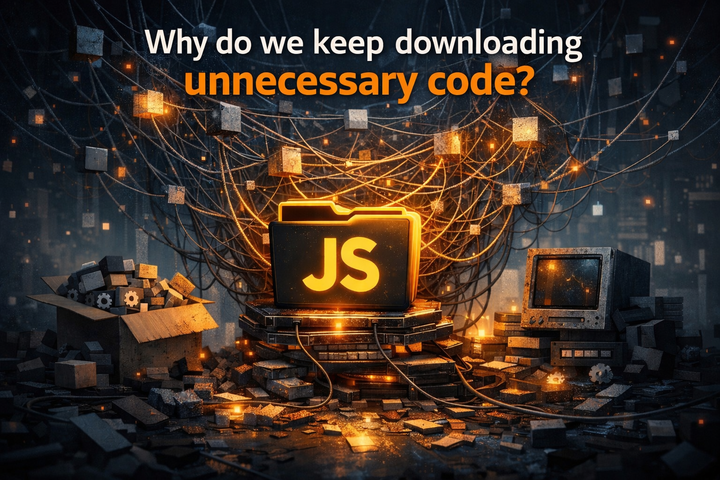
We don’t just write code—we build systems by downloading hundreds of dependencies, many of which are no longer needed. This article examines how JavaScript dependency bloat emerged, why it persists, and what choices we should make moving forward.
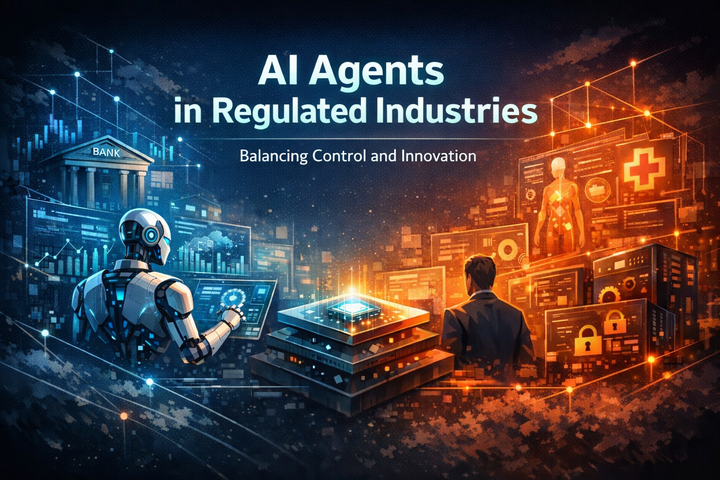
The idea that AI agents can handle all work is appealing. But in regulated industries like finance and healthcare, it breaks down. This piece shows why AI’s limits lie in responsibility, not technology—and why it must be controllable, not autonomous.
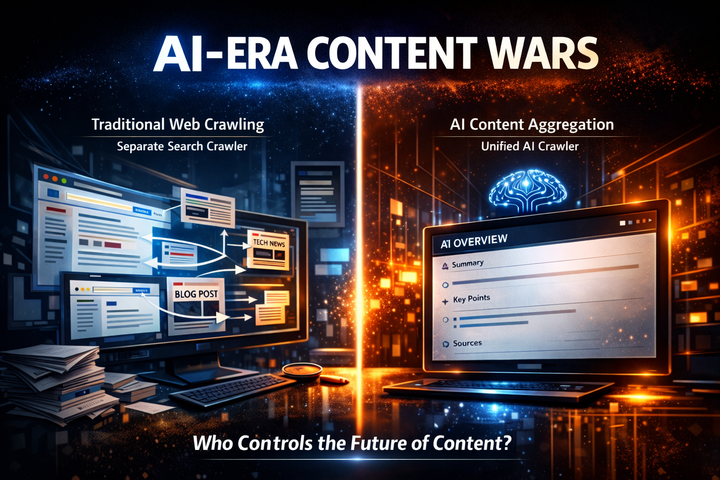
AI search is not just a feature upgrade. It breaks the link between search and the web, keeping users inside the platform. This shift disrupts publishers’ revenue and the web ecosystem, turning the issue into one of structure and power.